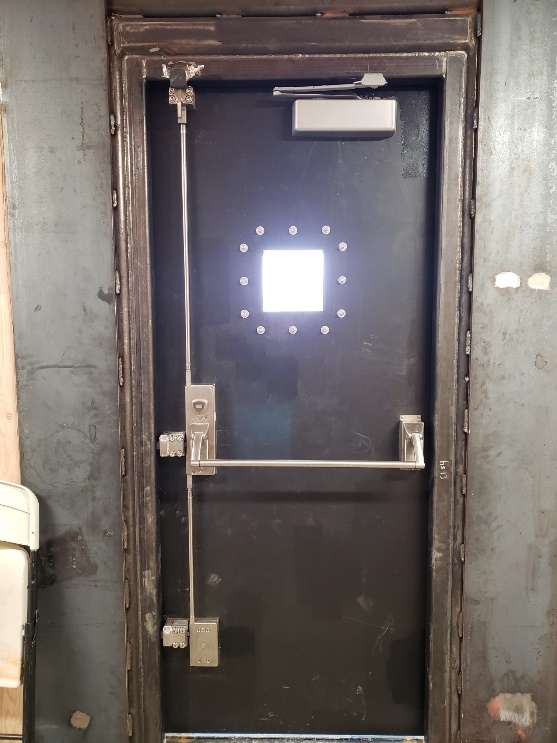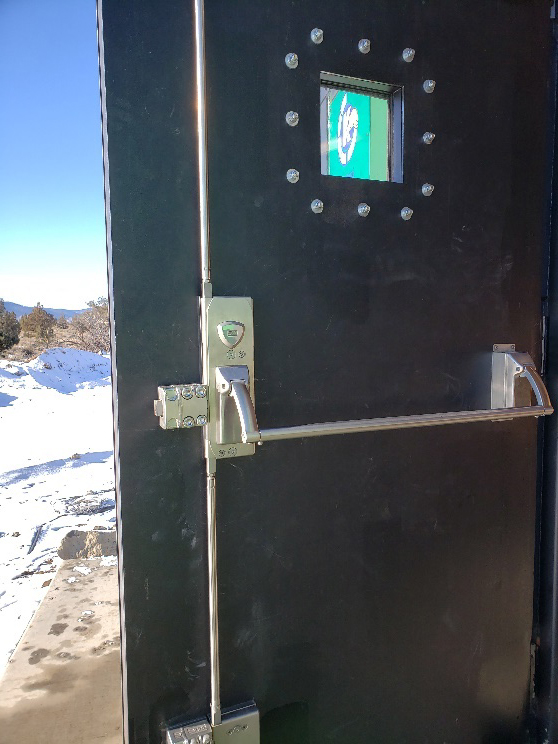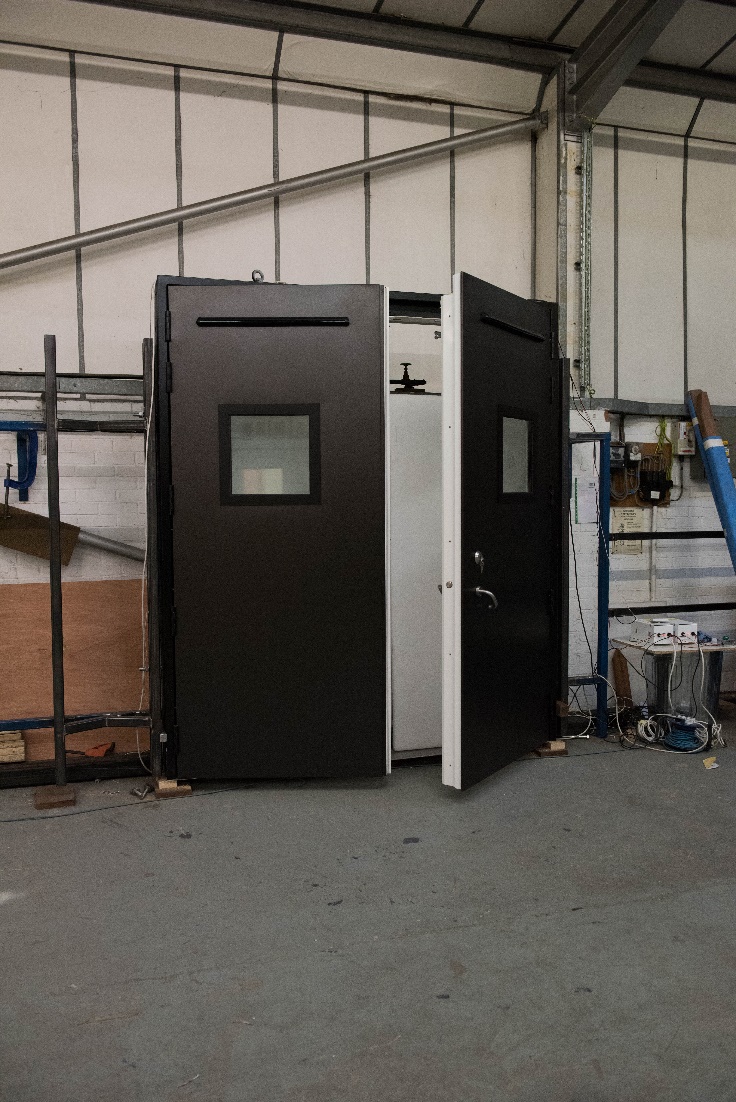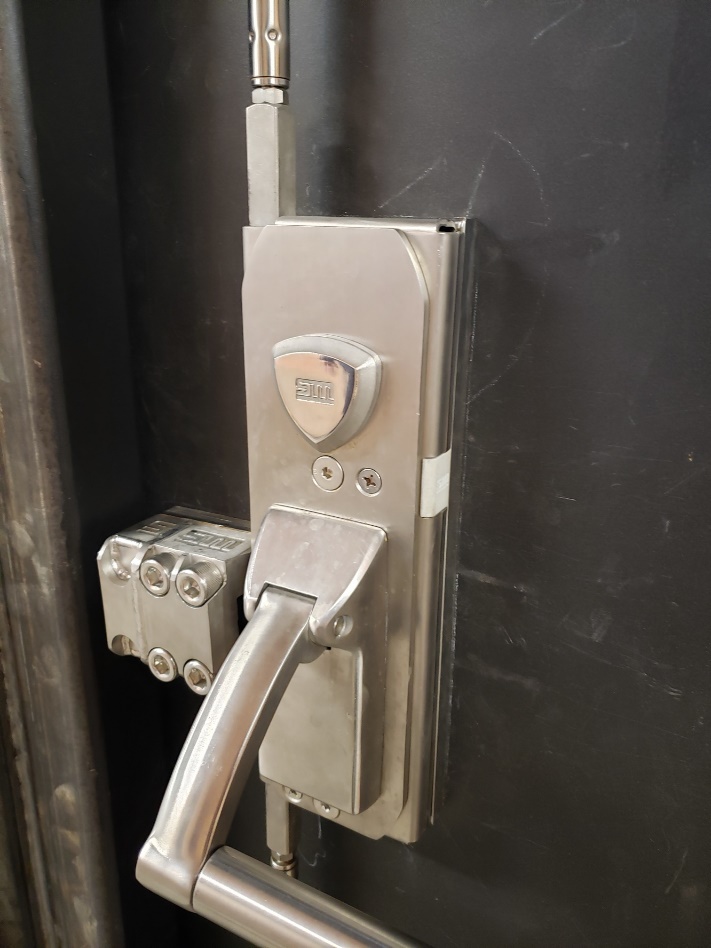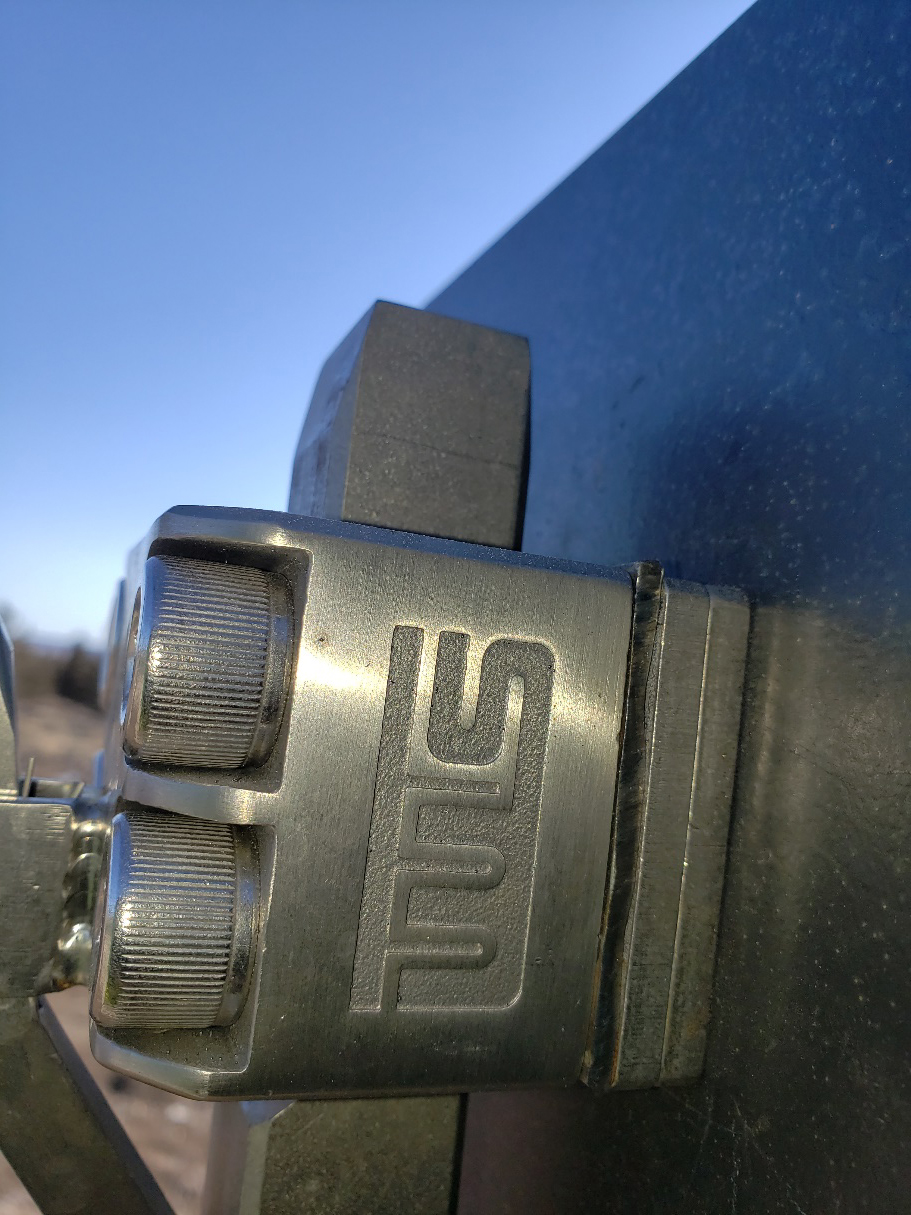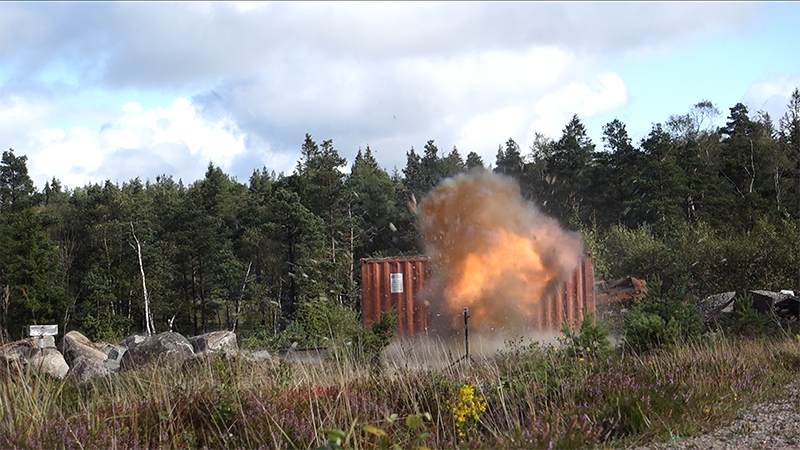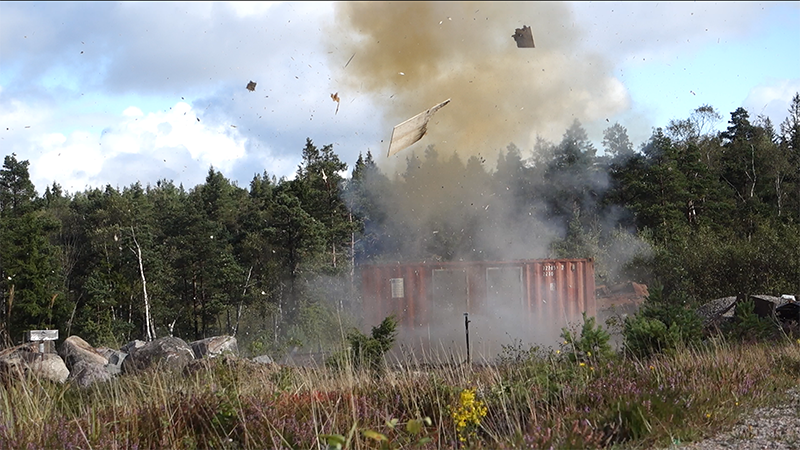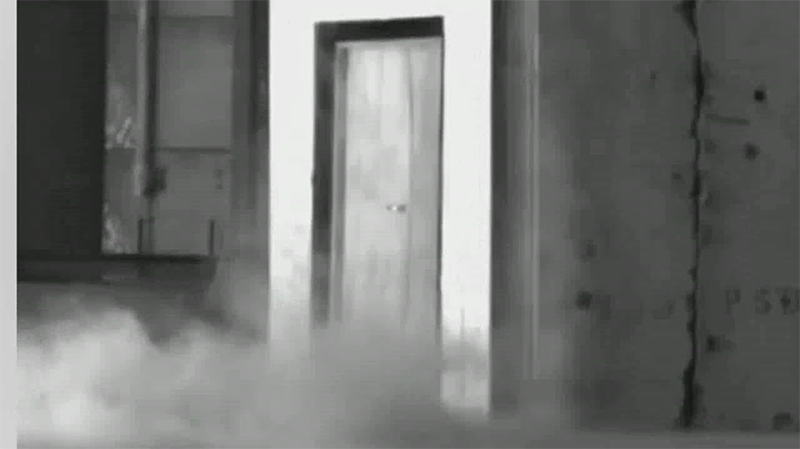
Physical protection of infrastructure against blast threats is integral to the safety of personnel and assets, and is rarely a ‘one size fits all’ solution. Whether a blast has come from a targeted explosion or an accidental petrochemical incident, the initial force and consequent shock waves must be considered. Explosive materials release a large amount of energy in a short space of time, placing huge pressure on building infrastructure such as locks, doors and windows. See below for some of our blast resistant solutions.
Do you have a bespoke blast project you need guidance on? Contact us.
Bespoke Solutions
Typically, a petrochemical blast produces low pressure over a longer period of time, whilst a bomb blast produces a much higher pressure lasting for a shorter period of time, as shown in the graph below.
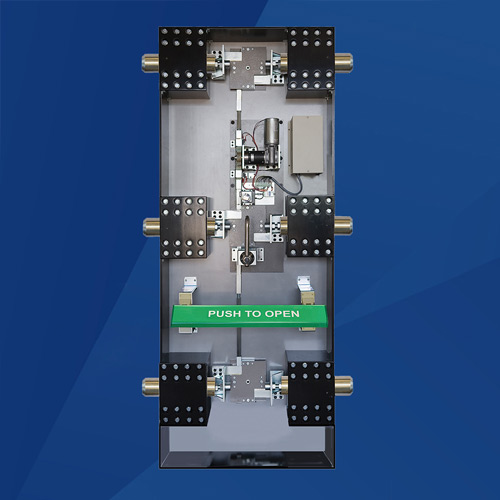
1 Tonne Lock
Designed for extreme blast pressures, the 1 tonne lock was a bespoke project that used a 6-point modular design, deadlocking device with touch-bar motorised bolt actuation and manual override in case of power failure.
Over 1000 kilograms of high quality engineering enable special multi-point securing devices to be supplied from a modular design concept. Allowing a choice of the number of bolts, their position, material and throw to meet almost any threat protection.
Do you have a bespoke blast project you need guidance on? Contact us.
Bespoke project designed for extreme blast pressures
Blast Testing

Physical Testing
Physical tests usually consist of a practical test of the door, locking hardware and/or window through a physical explosion. These can be achieved through a variety of methods, including Arranged Test, Shock Tube Test and Static Load Test. Physical testing provides an accurate analysis of the hardware’s blast resistance.


Calculations
Hardware can also be specified for blast resistance by using mathematical calculations. These calculations are based on material values or on load test data and provide a simple analysis of how the hardware may perform against a blast threat.
Standards
To ensure successful performance of blast resistant products there are various test standards to consider. Performance is proven based on physical testing and/or by calculation. Below are two of the key standards considered by the Surelock McGill Group when testing our blast resistant products.
ISO 16933:2007
This international standard is carried out by arena blast tests and used to assess and classify the response of glazing to the extreme pressures of high-explosive blasts. Criteria provided by this test rates the level of damage not only to the glazing, but also the area behind the glazing.
ASTM F2247
A commonly specified test method for blast doors, this standard categorises blast performance based on damage to the door and locking hardware after a high-explosive blast. Below are the five key response categories doors can be defined as following a blast attack:
- Category I: undamaged
- Category II: permanent plastic damage but operable
- Category III: non-catastrophic failure (inoperable, but remains a barrier to blast)
- Category IV: limited hazard failure (may rebound open)
- Category V: high hazard failure (door may be a flying debris hazard)
Products
Locking solutions usually require enhancements to suit blast environments, below are some of our blast enhancement products.

Slimline
The Slimline is a high performance, stainless steel, multi-point locking system tested and certified to multiple international standards against forced entry, blast, ballistic and fire protection. An incredibly versatile system with entry options including key, access control or combination lock with lever, or complete hands-free motorised remote operation. This system can be modified to suit most applications.
- Blast enhancements available
- Available for mortice, or surface mounted
- BS EN 179 & BS EN 1125 Emergency escape compliant
- LPS 1175 tested up to SR6 as part of a complete doorset
- Lock status monitoring as standard with access control product
Incredibly versatile, high performance multi-point locking system.
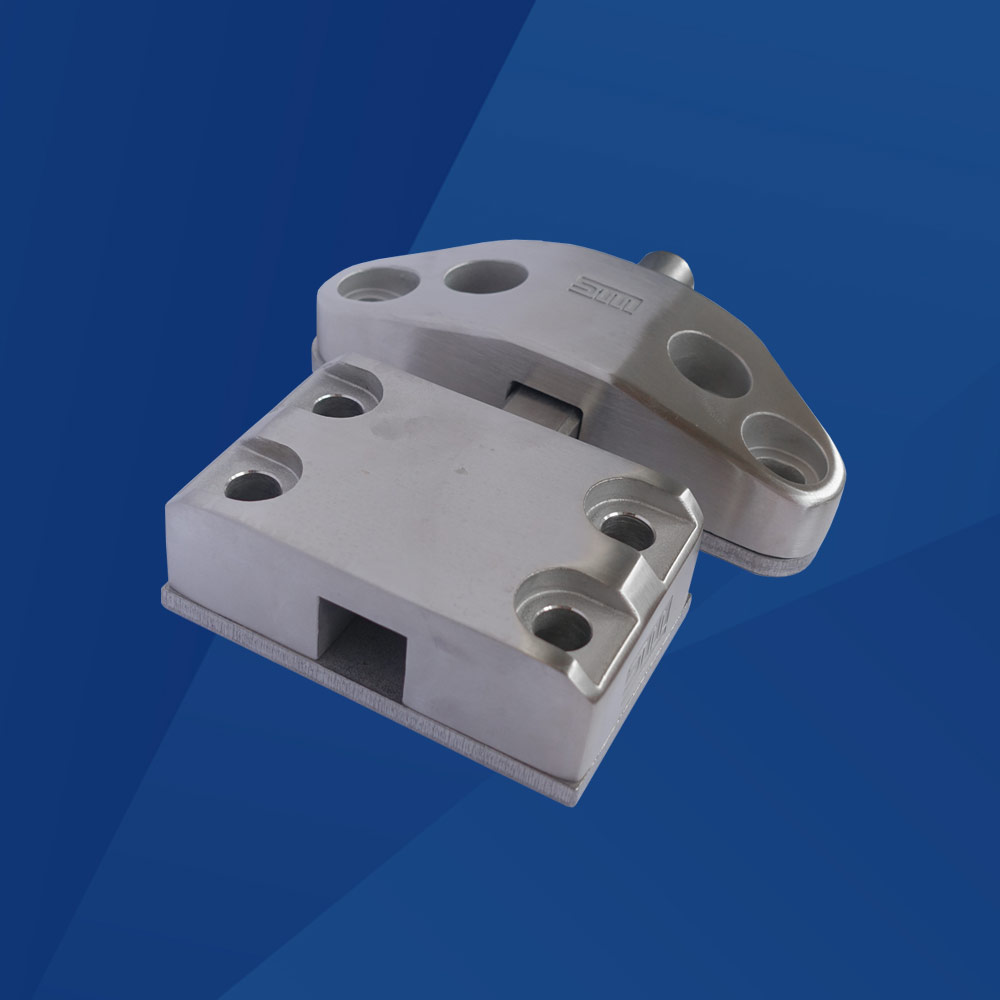
Bolt Ends
Reinforced guide brackets and bolt ends ensure secure closure of doors within high pressure environments such as tunnels. With up to four levels of guide and bolt enhancements available, there is a solution for most situations.
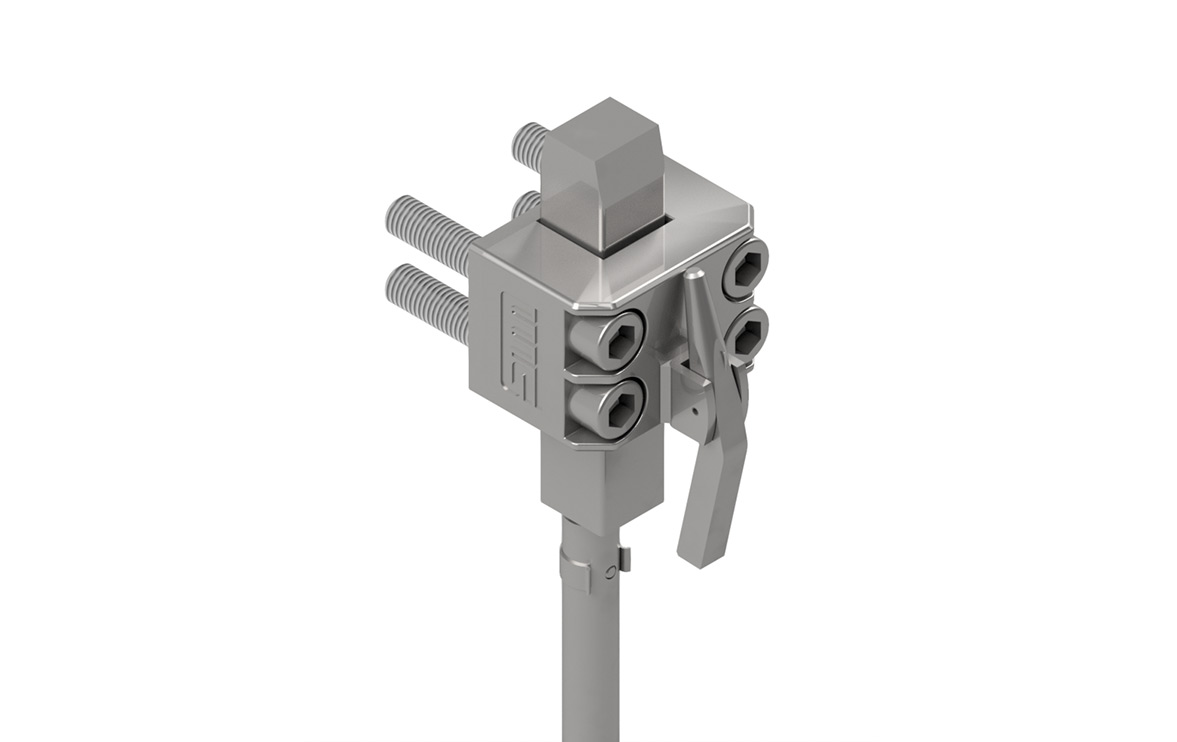
Slimline Blast Enhancement Bolts
- D15
- Peak Pressure of 166 kPa / 24.1 PSI
- D25
- Peak pressure of 1108 kPa / 160.7 PSI
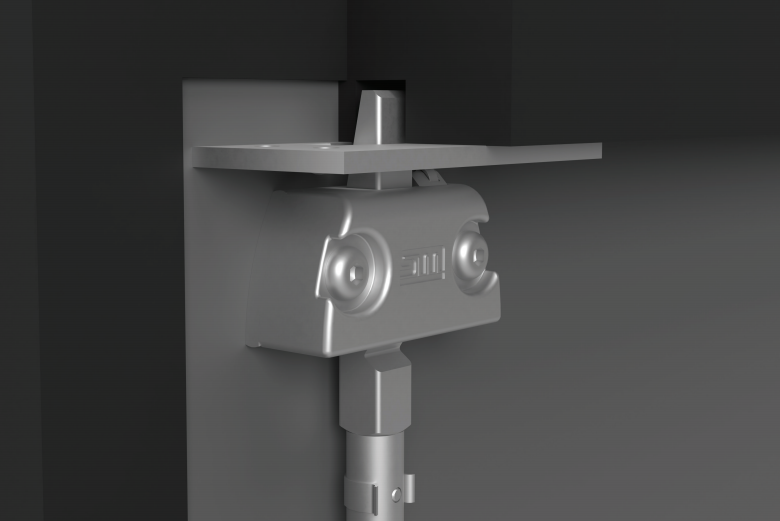
Tapered bolt ends
- Provided with specialist keeps ensuring a tight seal onto the door frame
- Reduced movement of air pressure and sound
Reinforced guide brackets and bolt ends for use within high pressure environments.

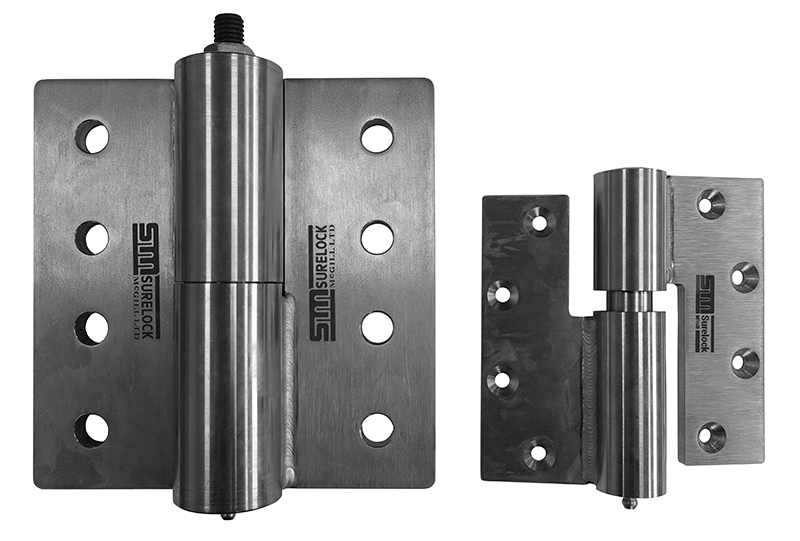
Cam-lift Hinges
A global rise in interest for our high quality, traditional, & unique cam-lift hinges, originally designed for the rugged off-shore oil & gas platforms has brought further improvements to this classic design for even smoother operation and long term-durability.
A suitable solution for tunnel doors, our range of pivot and cam-lift hinges allow even heavy doors above 3500KG to lift off their seals and release pressure for smooth opening operation. When used in conjunction with a Surelock McGill Slimline locking system these hinges provide the perfect sealed door solution.
HC 30
- Designed to support heavy loading
- 3.5mm rise over 90 degrees
- Radial load = 100kg / 220lbs per hinge
- Thrust load = 175kg / 385lbs per hinge
HC 44
- Designed to support extremely heavy loading
- 6.4mm total vertical rise
- Radial load (Pivot only) = 2,994kg / 6,600lbs per hinge
- Thrust load =
- Pivot Hinge – 3,493kg / 7,700lbs per hinge
- Cam Lift Hinge – 3,493kg / 7,700lbs per hinge
Improved cam-lift hinges allowing easy lift on and off installation for narrow areas, smooth operation and long term durability even for heavy doors.

Vision Panels & Windows
Where vision panels and windows are required within the door structure and surrounding area, it is imperative they also meet the performance requirement. Surelock McGill vision panels and windows have been designed to provide visibility through doors, alongside protection against blast, ballistic, security and fire threats. They are ideal for use on high-performance doors generally helping to provide a compliant fire escape door solution.
- Allows visibility of potential threat/activity on the other side of a door or room
- Fully stainless-steel frame available for longevity within high-corrosive environments
- Frame is constructed from heavy duty steel for multi-threat resistance
High performance, heavy duty vision panels resistant to blast, ballistic and security attacks.

High Performance Hinges
Surelock McGill hinges are designed for heavy duty security, blast and ballistic doorsets. Offering unrivalled levels of load carrying capability, these hinges have been successfully security tested to LPS 1175 security levels SR 2, 3 and 4 on selected doorsets. Manufactured from 316 grade stainless steel for high levels of durability and wear resistance within high-corrosive environments.
- HA 6 – EN 1935 compliant (CE MARKED) & suitable for loads up to 600KG*
- HA 7 – EN 1935 compliant (CE MARKED) & suitable for loads up to 900KG*
- HA 8 – surfaced mounted only & suitable for loads up to 2300KG*
*3 hinges mounted on a door leaf 1.2M wide by 2.2M tall
For use on heavy duty, security, blast and ballistic doorsets.
Manual Bolting
When specifying for blast resistance, reliable, manually thrown deadbolts are often an ideal solution. These highly reliable, heavy duty, simple solutions offer high levels of pressure resistance ideal for blast and sealing doorsets.
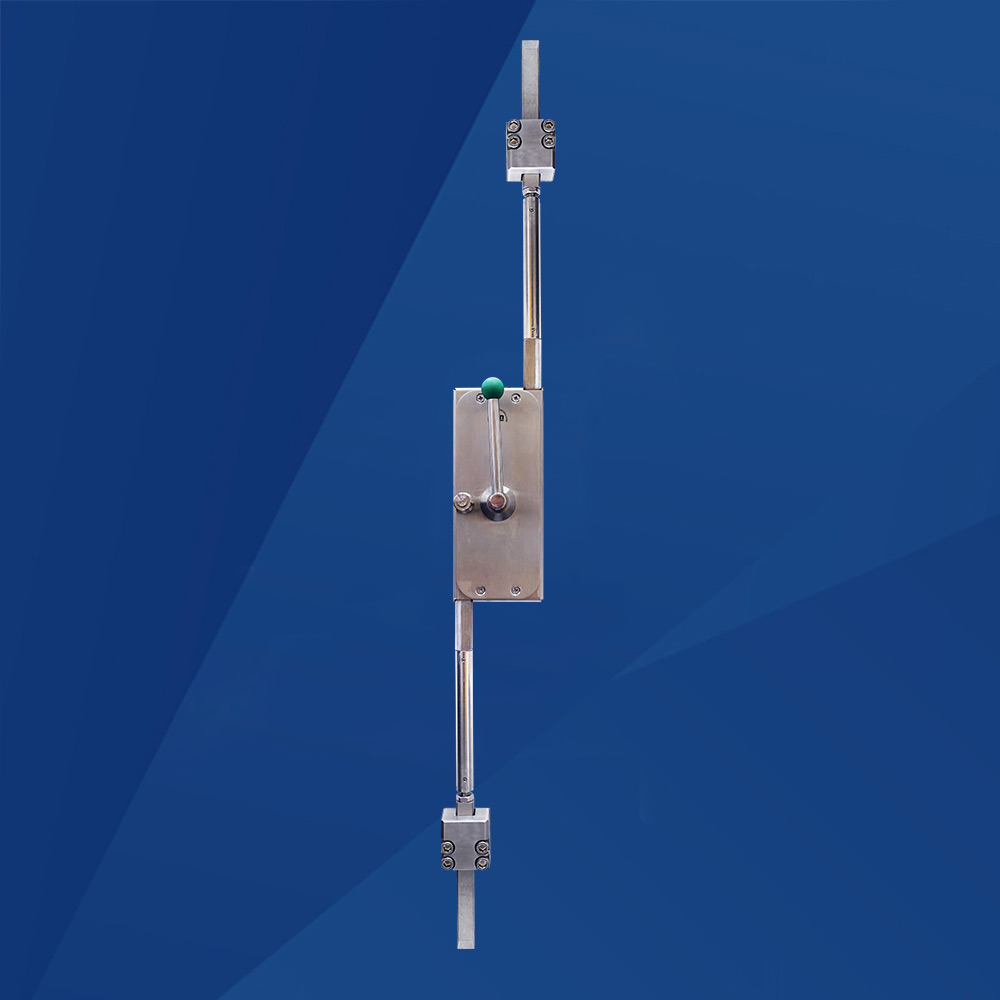
Coniston
The Coniston is a highly reliable, heavy duty, manually thrown deadbolt for use on one or two point applications. The range offers high levels of pressure resistance ideal for withstanding high-pressure waves. With a choice of three bolt sizes: 15, 25 and 50mm square and a bolt throw of up to 200mm. Manufactured in 316 grade stainless steel for hostile environments and durability.
- Internal only, manually operated
- One or two point bolting
- Bolt throw up to 200mm
- Surface mounted
Product Info
Manually thrown deadbolt, for use on one or two point applications.

Barrel / Tower Bolts
- Robust stainless steel bolt
- Up to 19mm (0.79”) diameter 316 grade stainless steel bolt
- Padlock facility available for enhanced security
- Operating extensions for taller doorsets
Heavy duty, versatile single point barrel bolts for use in hostile environments.
Functionality
The Surelock McGill Group provide a range of locking solutions to suit multiple operational needs within high-pressure blast environments.
Panic & Emergency Escape

Key Entry

Motorised

Access Control

Combination Lock